Cisneros is a Spanish surname with a clear point of origin: it began as the name of a place. Names of this kind, called toponymic or habitational surnames, were given to people identified by where they came from. In this case, the place is the small town of Cisneros in the province of Palencia, in the Tierra de Campos region of Castile and León, in northern Spain. To be a Cisneros was, originally, to be someone from Cisneros.
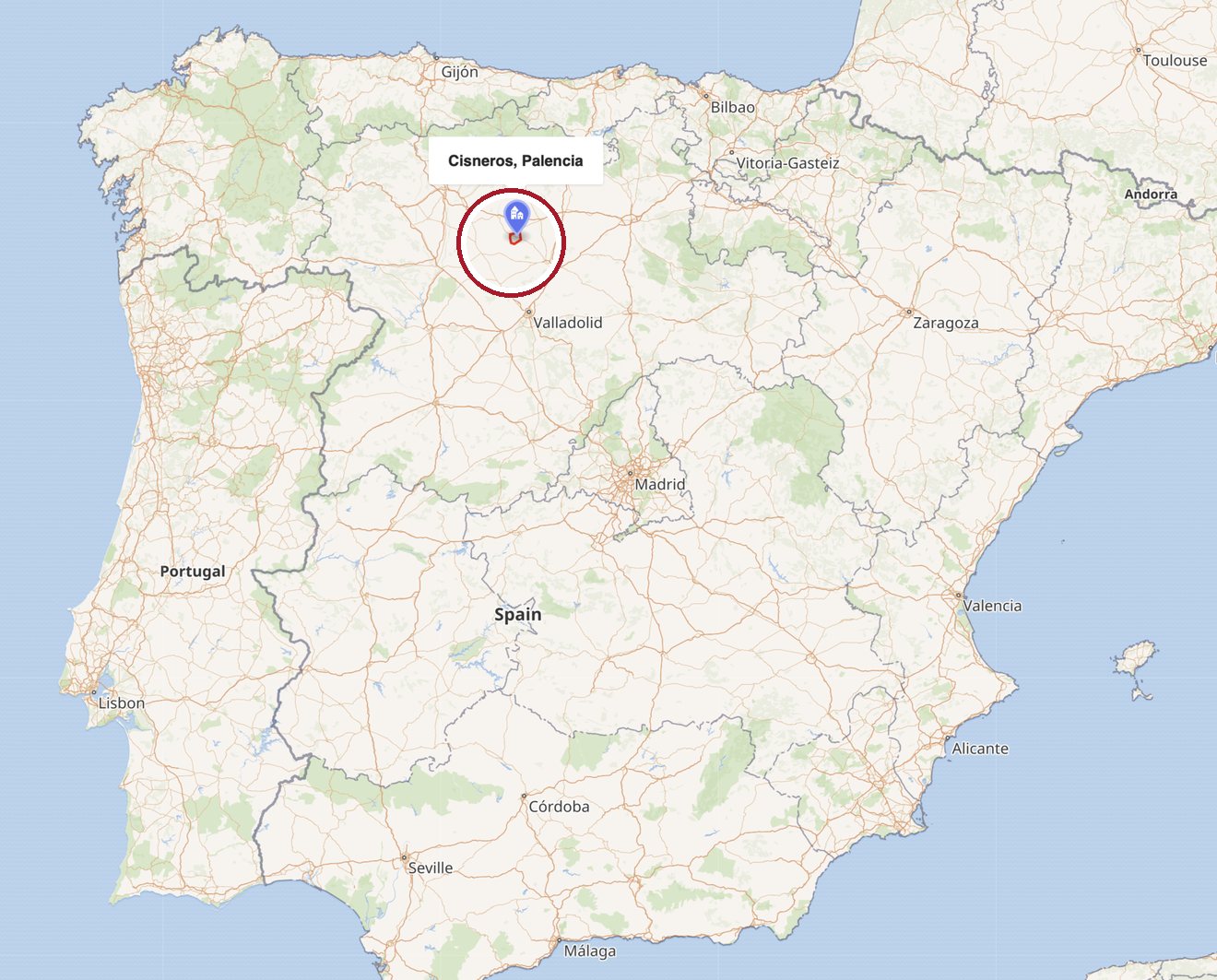
That much is well established and agreed upon across surname dictionaries and genealogical sources. What the name means, and why that town came to be called Cisneros in the first place, is a more interesting question, and one with more than one answer.
The Place of Swans
The most widely embraced explanation connects the name to the Spanish word cisne, meaning “swan.” By this reading, Cisneros means something like “place of the swans” or “swan roost,” a settlement named for the swans that once gathered in the marshes, ponds, and river meadows of the surrounding plain. The lineage of the word runs deep, passing through Latin and Old French back to the Greek kyknos, all meaning swan. Some sources point to a Latin form, cisnarius, understood as a swan-keeper or a place where swans were kept. In medieval Europe swans were valued birds, raised for their feathers and even for the table.
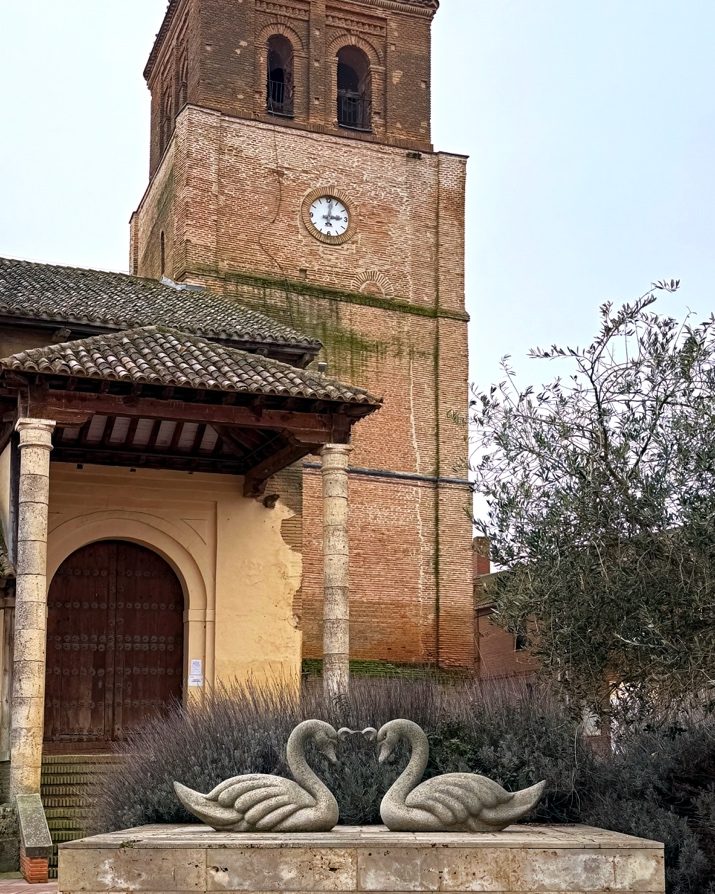
Photograph © Mario E. Cisneros
This interpretation is more than folklore, though it needs stating precisely. The municipal arms of the town of Cisneros carry two swans facing one another, a device that puns on the name. Those are the town’s arms. The arms most associated with the Cisneros lineage, including Cardinal Francisco Jiménez de Cisneros, are quite different: a gold and red check of fifteen squares, with no swans at all. Heralds would describe it as checky of fifteen pieces, eight Or and seven Gules, Or meaning gold and Gules meaning red. The two traditions are often merged into a single supposed “Cisneros coat of arms,” but they are not the same thing. When a community puts an image on its shield, it is usually telling you how it understands its own name. For most who carry the surname today, “place of swans” is the meaning that has endured.
A note on coats of arms. Heraldic arms belong to particular individuals or documented family lines, not automatically to everyone who shares the Cisneros surname. A shield sold on the basis of a surname alone carries no historical authority. Establishing a right to specific arms requires documented descent from the family that bore them.
Or a Field of Ash?
Etymology is rarely tidy, and Cisneros is no exception. A second line of scholarship traces the name not to swans but to the Latin cinis, meaning “ash.” Medieval records preserve forms such as Cinisarios, which some read as a place named for ashes or for burned-over, cleared land, a common way to describe a settlement carved out of scrubland in the early Middle Ages. Because the documentary trail is incomplete and the two roots sound similar, the honest conclusion is that the origin is not fully settled.
Many Families, One Name
A crucial point for anyone researching the surname is that Cisneros is not the name of a single family. Because it began as a place name, it could be adopted independently by unrelated households. Anyone who left the town, or held land there, might come to be known as “de Cisneros,” meaning “of Cisneros.” Over time the de was often dropped, leaving the surname we know today.
This is not just a historical inference. Y-DNA testing of living men who carry the name has confirmed it: the Cisneros surname has multiple, independent origins. Some lineages share a common paternal ancestor; others arose separately, in different regions and at different times. There is no single founding father of all the Cisneros in the world, which is exactly why genetic genealogy is so useful for sorting one branch from another.
If two people both named Cisneros want to know whether they are actually related on the direct paternal line, the paper trail often runs out. A Y-DNA test compares the Y chromosome passed from father to son, and can show whether two Cisneros men descend from the same line or from entirely separate families who simply adopted the same town’s name.
Cardinal Cisneros and the Rise of the Name
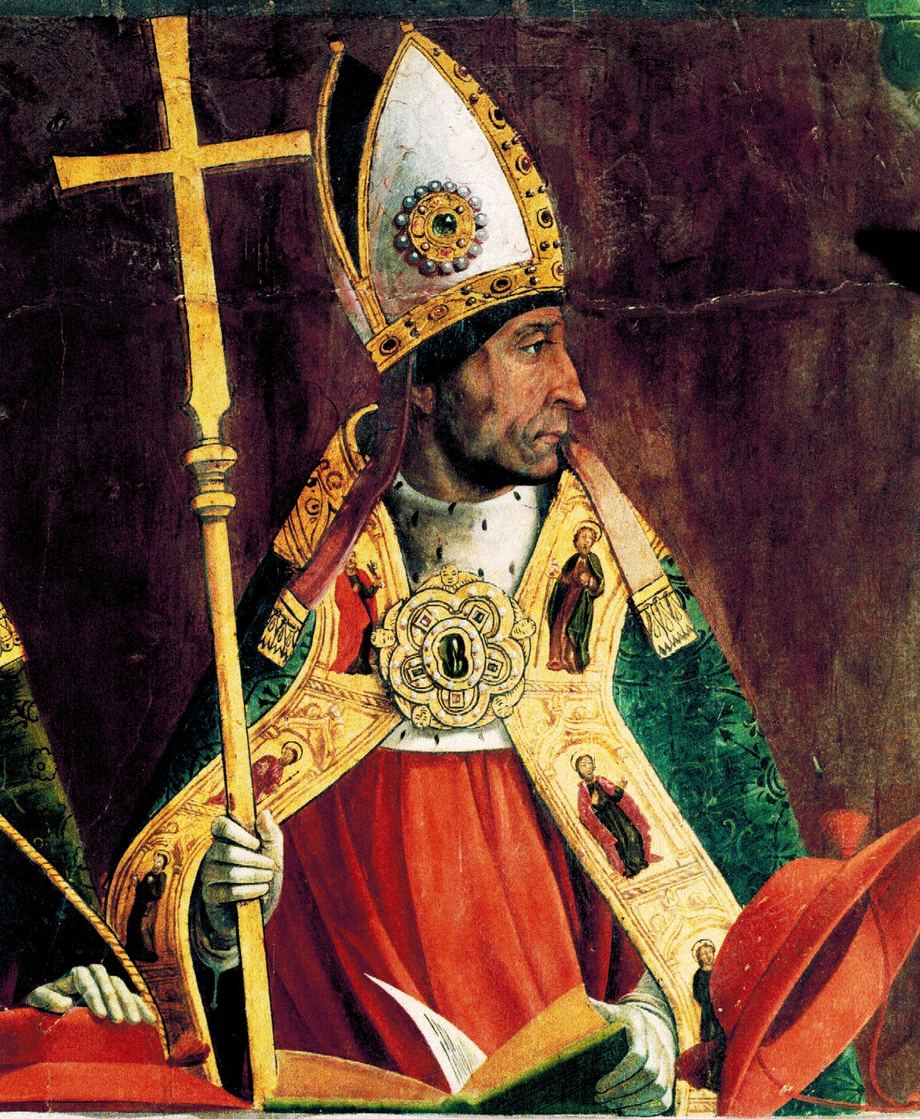
No single person did more to make the surname famous than Cardinal Francisco Jiménez de Cisneros (1436–1517). A towering figure in Spanish history, he served as a royal confessor, Grand Inquisitor, and twice as regent of the kingdom. He founded the University of Alcalá and sponsored the great multilingual Bible known as the Complutensian Polyglot. His prominence carried the Cisneros name into the highest circles of church and state during a pivotal era, and helped fix it firmly in the historical record.
From Castile to the Americas
By the close of the Middle Ages the surname was well established across Castile. In the centuries that followed, migration within Spain and across the Spanish world carried it far beyond Palencia. Today the name is found throughout Spain and the Americas, and as far afield as the Philippines. It is especially common in Mexico and, within the United States, in New Mexico and the wider Southwest, where it is a recognizable part of long-rooted Hispano heritage.
Spelling Variants
As families moved and records were kept by different hands, the spelling shifted. You may encounter the surname written as Sisneros or Zisneros, especially in Mexico and the U.S. Southwest, as well as Cisnero, Cisneroz, Cisnerros, and the older, more formal de Cisneros. In Portuguese-speaking records it can appear as Cisneiros. All of these are variations on the same toponymic root: the town of Cisneros and its swans.
Whichever spelling appears in your family’s documents, the path back leads to the same small town on the Castilian plain, and very likely to the swans that gave it a name.
Which Cisneros line do you belong to?
Because the surname has several independent origins, Y-DNA testing is the surest way to discover where your own paternal line fits, and who you connect with across centuries and continents. You can also follow one documented Cisneros line from Seville to Mexico, reconstructed from parish, notarial and newspaper records. The registry of earliest known ancestors shows which lines have already been tested.
Join the Cisneros DNA Project