1841–1861
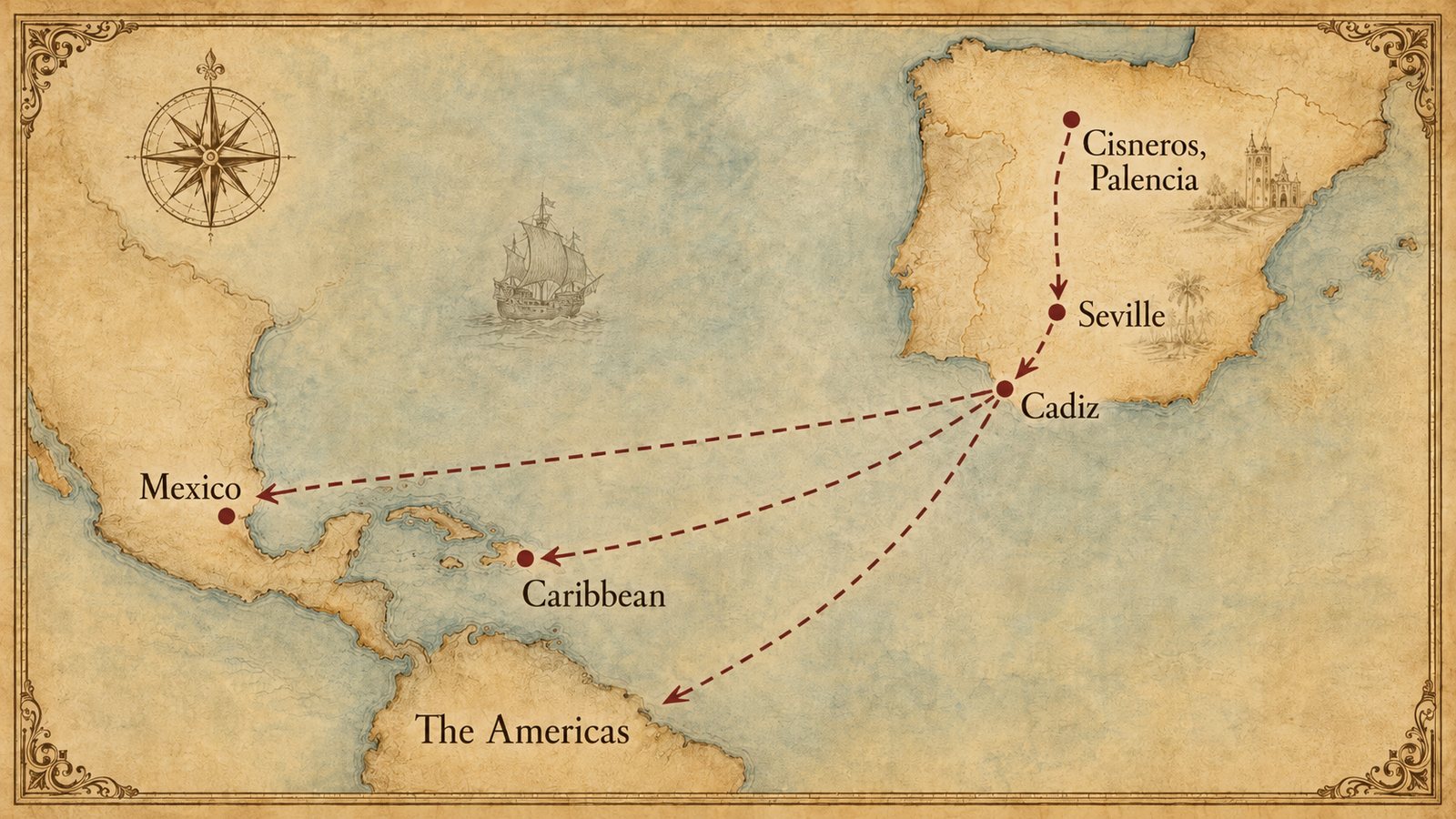
Across the Spanish Atlantic: Seville to the Americas
Probate records, passenger lists and newspapers trace two teenage brothers from Cádiz to Havana. One died there. The other founded a Mexican branch.
Read More →Tracing the Swan, from Castile to the New World
A collaborative research initiative connecting Cisneros families through documentary genealogy and Y-DNA analysis. Whether your roots lie in medieval Castile, colonial New Spain, or the Americas, this is your gathering place.
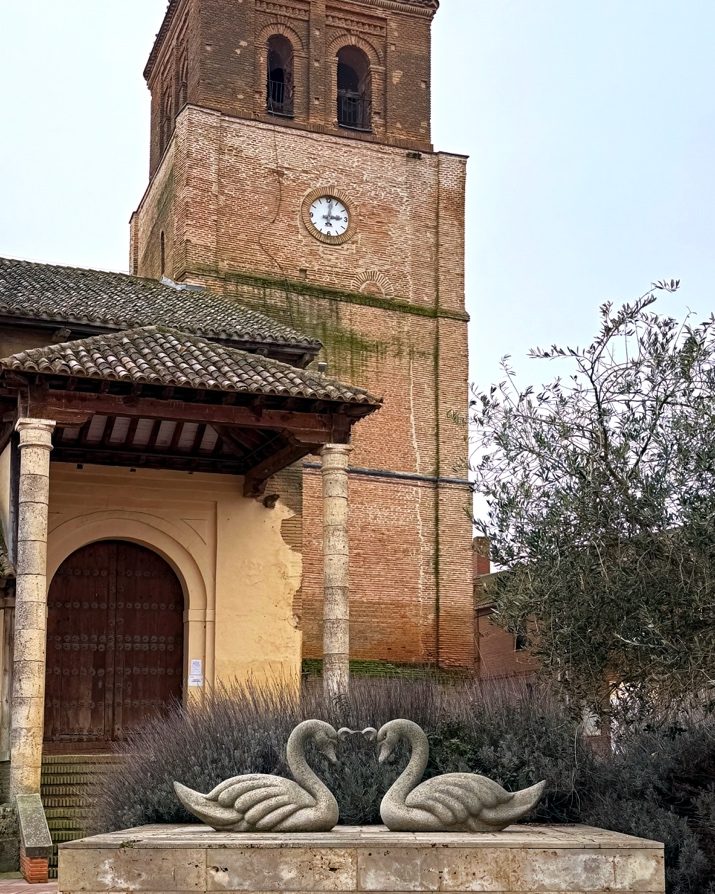
Cisneros is a toponymic surname originating from the town of Cisneros in Palencia, Spain. One widely accepted origin suggests the place was named for its association with swans, possibly as a nesting ground or habitat, making the surname mean "place of swans." This interpretation is supported by surname dictionaries and genealogical sources that derive the name from Spanish cisne meaning "swan," and even Latin roots like cisnarius, meaning "swan keeper" or "place of swans."
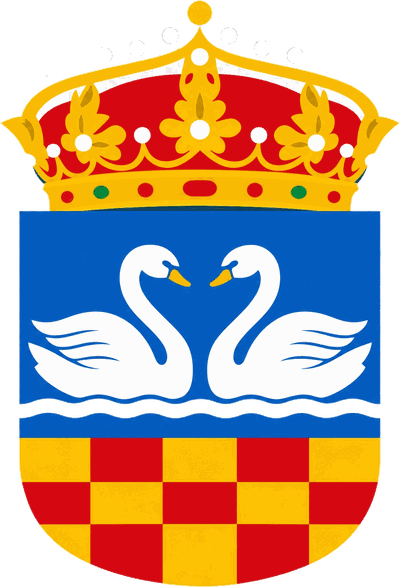
Some toponymic scholars offer an alternate origin from the Latin cinis, meaning "ash." Medieval spellings like Cinisarios hint that the town may have been named for ashes or burned-over land. The town's arms have long carried swans, and that is the story the town itself tells. Place-name scholars, however, more often favor the ash root, which fits the early spelling Cinisarios. Both readings remain in play, and this project treats the question as genuinely open.
By the late Middle Ages the surname Cisneros was established across Castile. As a toponym, it arose in several unrelated households rather than from a single progenitor. During the early modern period, movement within Spain and across the wider Spanish world spread the name to new regions and overseas communities. A prominent bearer, Cardinal Francisco Jiménez de Cisneros, helped make the surname widely recognized through his public role and patronage.
Today Cisneros families appear mainly across Spain, the Americas, and the Philippines.
| Origin | Cisneros, Palencia, Castile |
| Type | Toponymic (place name) |
| Meaning | Debated: "place of swans" or "ash land" |
| Language | Old Castilian / Latin (cisnarius or cinisa) |
| First written form of the place name | 946, Cinisarios, charter of Sahagún |
| Notable Bearer | Cardinal Cisneros (1436–1517) |
| Town arms | Two swans above a gold and red check |
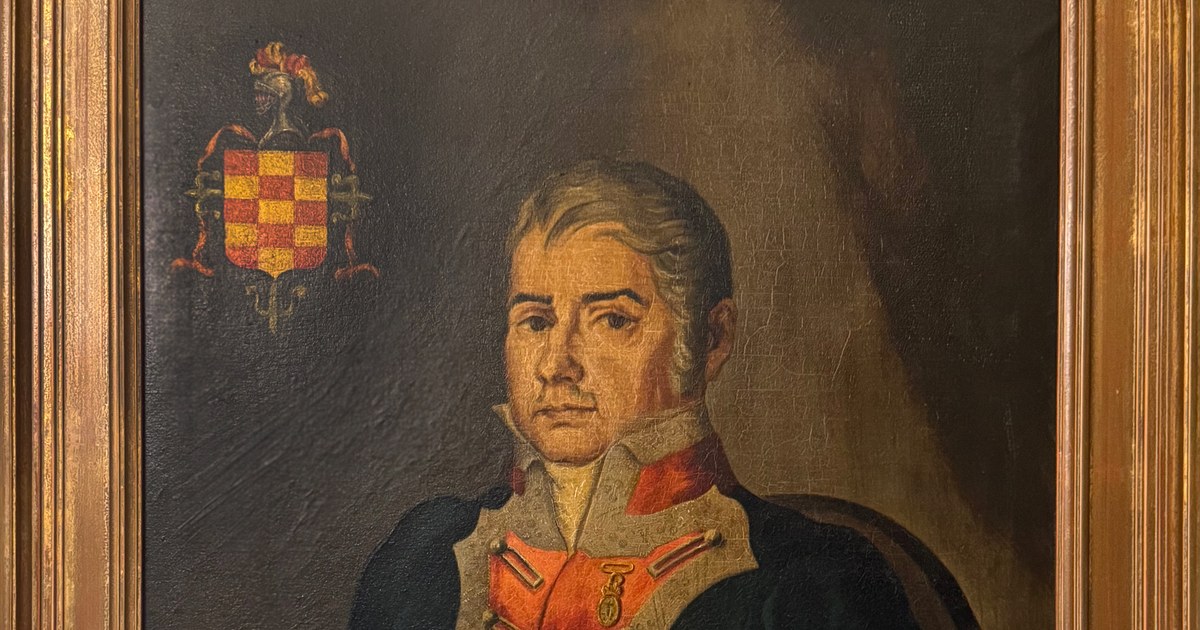
| Lineage arms | Gold and red check, 15 squares |
| Distribution | Spain, Americas, Philippines |
Heraldic arms belong to particular individuals or documented family lines, not automatically to everyone who shares the Cisneros surname.
Join the ProjectNot all Cisneros share the same origin. Different families, different paternal lines, connected by name but not always by ancestry. Y-DNA testing reveals where your line fits and who you truly connect with.
Explore Y-DNA ResultsResearch notes, discoveries, methodology, and family stories.
Probate records, passenger lists and newspapers trace two teenage brothers from Cádiz to Havana. One died there. The other founded a Mexican branch.
Read More →How one Castilian place-name became a surname carried across Spain, the Americas, and the Philippines, and why that means many families, not one.
Read More →What began as a quiet lockdown distraction became a journey across centuries and oceans, ending in the town of Cisneros, where a Y-DNA match confirmed a 500-year-old paternal connection.
Read More →Documentary and genetic evidence show that Cisneros does not descend from a single universal ancestor.
The surname arose independently in several households, so Y-DNA from documented male-line Cisneros families falls into unrelated haplogroups, confirming distinct paternal origins. The name connects families by history and culture, not necessarily by a single common ancestor. The project has so far defined three well-established lineages of roughly equal size: E-V22, J-M172, and I-M223.
The Cisneros Surname Project at FamilyTreeDNA groups participants by Y-DNA lineage, compares results, and links them to sourced family trees. Joining helps place each paternal line on the genetic tree and clarifies how the surname spread across Spain, the Americas, and the Philippines.
The project uses a combination of 37-marker, 67-marker, 111-marker, and Big Y-700 tests. Participants are grouped into clusters by genetic distance, and each cluster is correlated to documentary evidence where possible.
Key moments in the documented history of the Cisneros surname and its bearers.
The town appears as Cinisarios in a charter of the monastery of Sahagún, during the era of Castilian repopulation. Archaeology places settlement on the site far earlier still, in the Bronze and early Iron Ages. In the centuries that follow, families begin taking the toponym as a hereditary surname.
As a toponymic surname, Cisneros arose in several unrelated households across the Castilian landscape rather than from a single progenitor, a key fact that shapes how we interpret DNA results today.
Francisco Jiménez de Cisneros is born in Torrelaguna, Madrid. He will become confessor to Queen Isabella I and regent of Castile, cementing the checkered Or-and-Gules arms in history.
Conquistadors, settlers, clergy, and administrators bearing the Cisneros name arrive in New Spain, Peru, and the Caribbean. The name spreads to Indigenous and mixed-race communities through naming practices and surname adoption.
Cisneros families are documented throughout Texas, New Mexico, and California during the Spanish colonial and Mexican periods. Many have continuous presence in the American Southwest for over 300 years.
Researchers and descendants worldwide coordinate documentary genealogy with Y-DNA testing, creating the first structured, multi-national study of the Cisneros surname and its many paternal lineages.
Documented branches with compiled research.
The Cisneros surname arose in several unrelated families. If your paternal line follows another haplogroup or another path across the world, we would love to feature your story here. Reach out to share your research and help map the wider family.
Tell Your Story →Curated links and guides for Cisneros genealogical research.
The furthest-back documented ancestor of every tested Cisneros and Sisneros line, grouped by Y-DNA haplogroup. Check whether your branch is already in the study.
Where to begin searching for Cisneros ancestors, from FamilySearch to the parish and civil registers held in the archives of Spain and Mexico.
Join our official Y-DNA surname project on FamilyTreeDNA to compare results, join a haplogroup cluster, and connect with genetic cousins.
New to genetic genealogy? A plain-language explanation of Y-DNA testing, haplogroups, and what the results actually tell you.
Where the name comes from, what it means, and the spelling variants found in historical records: Sisneros, Zisneros, Ciznero, and Cisneroz.
Quick answers to what people ask most: who can test, how to join, what the name means, and whether all Cisneros families are related.
Cost should not keep a branch off the tree. Read about sponsored Y-DNA tests for Cisneros lines and how to apply for one.